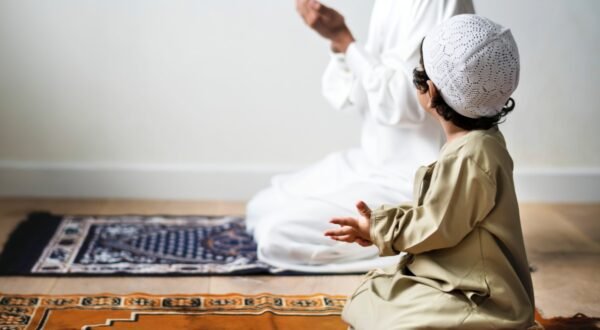
Raising children in Western societies comes with many blessings—education, safety, and opportunity. However, for Muslim parents, it also brings a deep concern: how to preserve their children’s Islamic identity while they grow up in a non-Muslim environment.
Schools, media, peers, and social norms strongly shape a child’s beliefs and behavior. Without guidance, children may slowly drift away from their faith—not because they reject Islam, but because they were never taught how to live it confidently.
This guide offers practical, realistic, and balanced solutions to help Muslim parents nurture strong Islamic identity in their children while living in the West.
What Does “Islamic Identity” Mean for a Child?
Islamic identity is not limited to having a Muslim name, wearing Islamic clothing, or celebrating Eid once a year. For a child, Islamic identity is a deep inner connection that shapes how they think, behave, and see the world.
It includes:
- Belief (Iman): Knowing Allah and trusting Him
- Worship (Ibadah): Prayer, Quran, and remembrance
- Character (Akhlaq): Honesty, kindness, respect
- Values: Halal choices, modesty, responsibility
There is a difference between cultural Islam and practiced Islam. Children who only inherit culture often struggle later, while children who experience Islam as a living faith grow up proud to say, “I am Muslim.”
Key Challenges Muslim Children Face in Western Societies
Muslim children in the West often face challenges that parents may not fully see at home:
- Pressure to “fit in” and avoid being different
- Bullying or teasing related to religion or appearance
- Exposure to values that contradict Islamic teachings
- Confusion around faith, gender roles, and moral boundaries
- Feeling disconnected from the Muslim community
These challenges can weaken identity if children are left to navigate them alone.
Parents as the First and Most Powerful Role Models
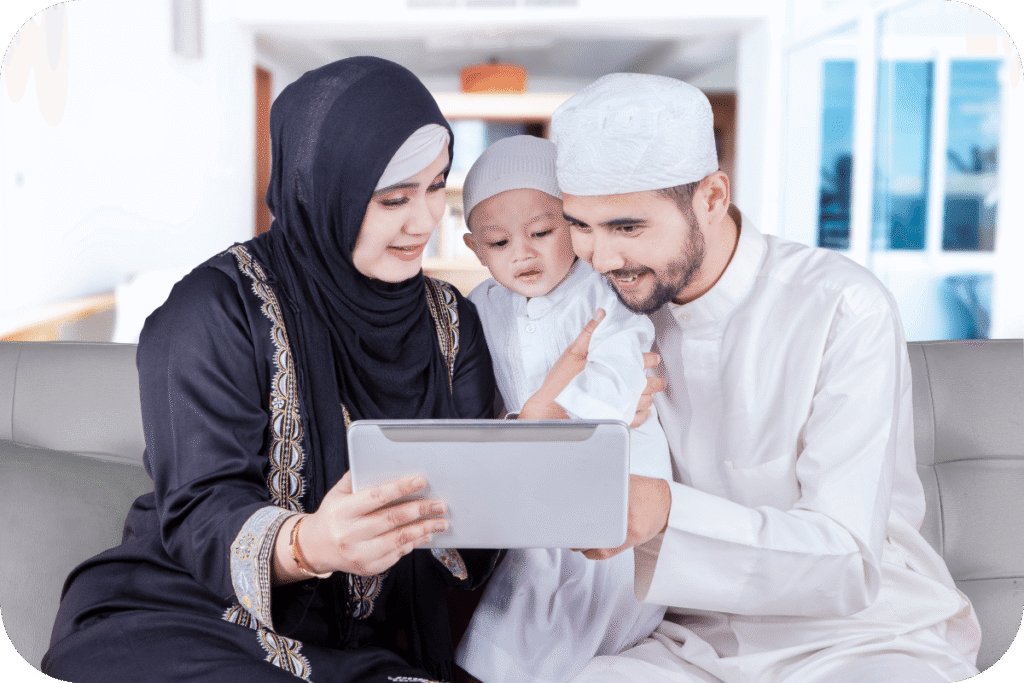
Children learn Islam more from observation than instruction. What parents practice daily leaves a stronger impact than what they say.
If parents:
- Pray regularly
- Speak truthfully
- Show modesty and respect
- Turn to Allah during hardship
Children naturally absorb these behaviors.
Consistency matters. When words and actions align, children learn that Islam is real, practical, and relevant—not just something talked about.
Building a Strong Islamic Foundation at Home
A strong Islamic identity begins at home.
Practical steps include:
- Making salah part of daily family life
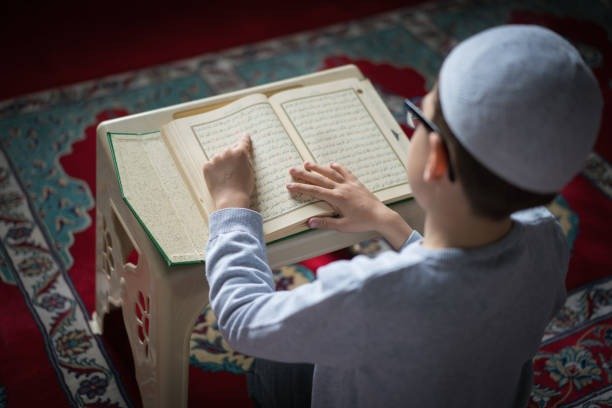
- Keeping the Quran present—not only on a shelf, but in routine
- Having simple Islamic conversations during meals or drives
- Teaching halal and haram with wisdom, not fear
- Presenting Islam as balanced and compassionate, not restrictive
When Islam feels normal at home, children carry it confidently outside.
Teaching the Quran and Islamic Knowledge in a Western Environment
A child’s connection with the Quran is one of the strongest protections for their identity.
Parents can:
- Start Islamic education at an early age
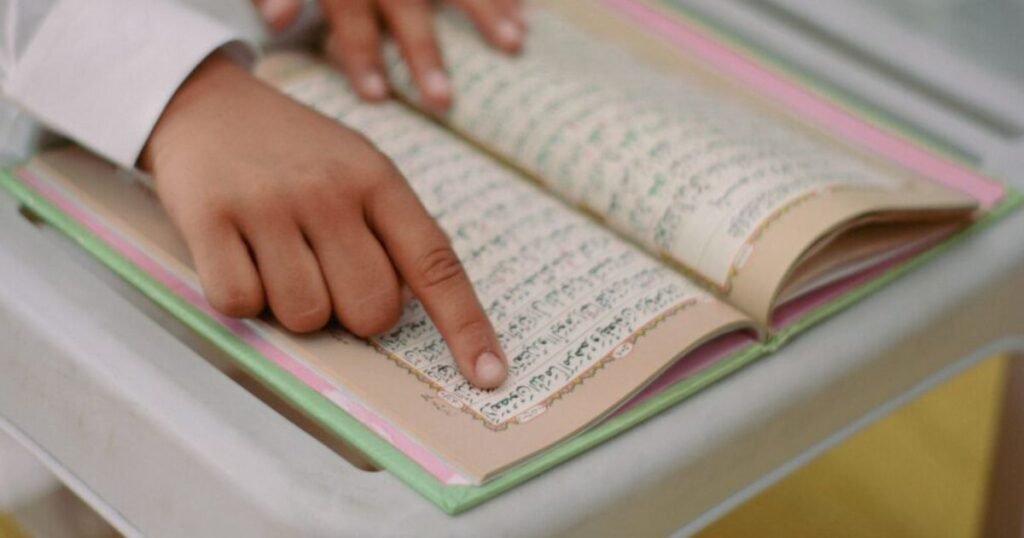
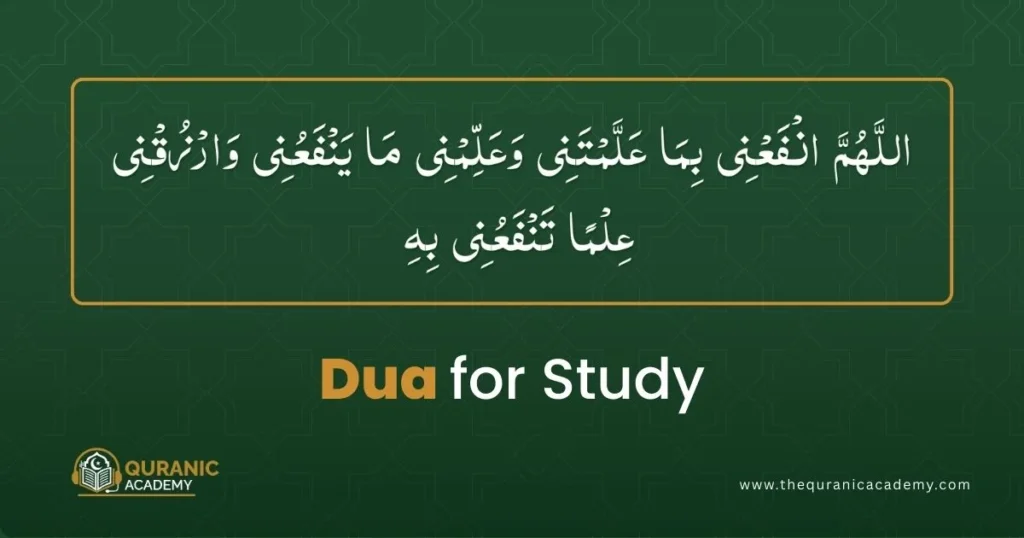
- Teach basic Quran reading and duas at home
- Enroll children in mosque programs when possible
However, many families struggle with time, distance, or scheduling. In such cases, structured online Quran learning can be a practical solution. Reliable platforms like The Quranic Academy help children learn Quran and Islamic basics consistently while fitting into busy Western routines.
The goal is not perfection—but continuity and connection.
Choosing the Right School and Social Circle
A child’s environment deeply shapes their beliefs.
Parents should consider:
- Islamic schools when possible
- Weekend madrasah or Sunday school
- Encouraging friendships with practicing Muslim peers
- Knowing who their children spend time with
Guidance is essential, but excessive control can backfire. The aim is awareness—not isolation.
Communicating Islam to Children Without Forcing It
Children will ask questions—and they should.
Healthy communication includes:
- Welcoming questions about faith
- Answering doubts calmly and honestly
- Adjusting explanations according to age
- Listening more than lecturing
Islam should feel like a source of peace and clarity, not fear or guilt.
Helping Children Embrace Their Islamic Identity Confidently
Confidence grows through positive experiences.
Parents can:
- Celebrate Ramadan, Eid, and Islamic traditions meaningfully
- Teach children how to explain Islam respectfully
- Prepare them to answer questions at school
- Help them see “being different” as a strength, not a weakness
A confident Muslim child does not feel the need to hide their faith.
Using Technology in a Positive and Controlled Way
Technology can either weaken or strengthen identity.
Positive use includes:
- Islamic learning apps and Quran programs
- Educational Islamic content for children
- Limiting harmful media exposure
- Setting healthy screen-time boundaries
Technology should serve faith—not replace it.
Common Mistakes Muslim Parents Make in the West
Many parents act with good intentions but make mistakes such as:
- Using fear instead of love
- Being overly strict without explanation
- Delaying Islamic education until teenage years
- Avoiding difficult conversations
- Practicing Islam inconsistently at home
Awareness of these mistakes allows parents to correct their approach early.
Long-Term Strategy: Raising Confident Muslim Adults
Islamic identity is not built overnight.
It requires:
- Small, consistent efforts
- Balance between discipline and compassion
- Du‘a along with practical action
- Trust in Allah while doing one’s best
Parents are planting seeds that will grow over time.
Conclusion: Islam as a Living Identity, Not a Burden
Raising Muslim children in the West is challenging—but entirely possible.
With sincere effort, wisdom, and patience, parents can help their children grow into confident Muslims who carry their faith with dignity and strength.
Islam should feel alive in their hearts—not heavy on their shoulders.
FAQs (Beginner-Friendly & AEO-Optimized)
How can Muslim parents protect their children’s Islamic identity in the West?
By practicing Islam at home, maintaining open communication, and providing consistent Islamic education.
At what age should children start learning about Islam?
Islamic education can begin as early as ages 3–4 through simple concepts and routines.
Is online Quran education effective for children?
Yes, when structured properly, online Quran learning offers flexibility and consistency for busy families.
How do I help my child feel confident about being Muslim?
By celebrating Islamic identity, answering questions calmly, and modeling confidence yourself.What if my child questions Islamic beliefs?
Questions are natural. Respond with patience, honesty, and age-appropriate explanations