

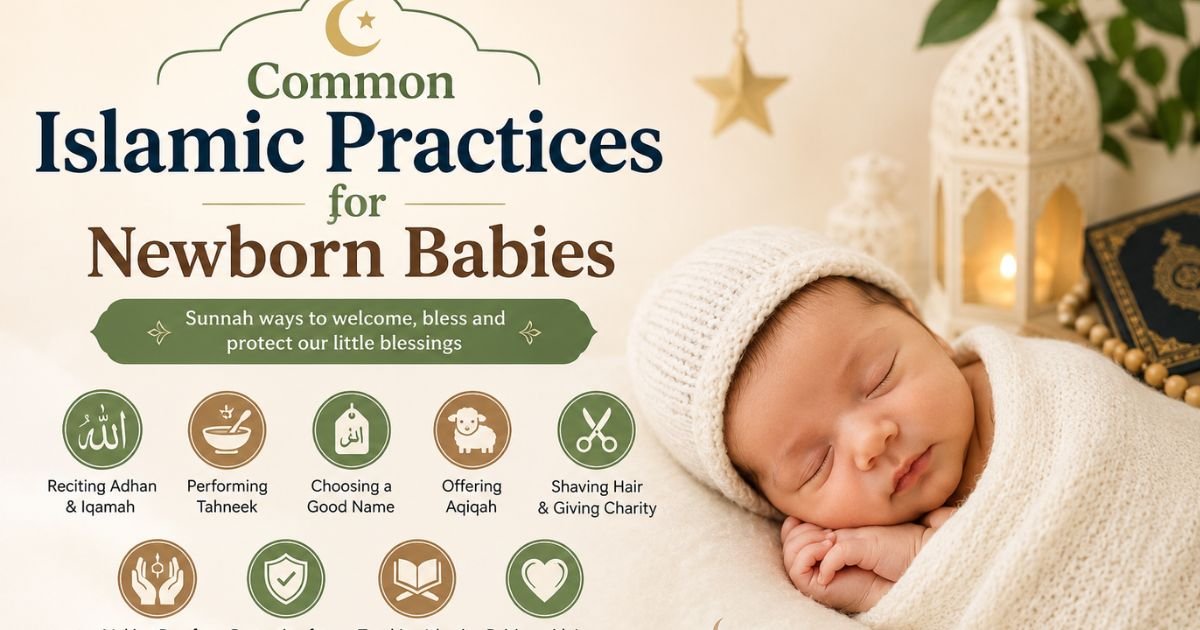
Welcoming a newborn into the family is one of life’s greatest blessings. In Islam, the birth of a child is not only a joyful occasion but also an opportunity to express gratitude to Allah and begin raising the child upon faith and good character. Many Muslim parents also search for the authentic Nazar ki dua for baby to seek Allah’s protection for their newborn from the evil eye and other harms.
Welcoming a Newborn According to the Sunnah
The arrival of a baby is a time of joy, gratitude, and countless prayers. Islam encourages parents to welcome their newborn with thankfulness to Allah, recognizing that every child is a precious trust. Family members and friends often congratulate the parents, make heartfelt duas for the baby, and pray that the child grows into a righteous believer with good character.
Reciting the Adhan and Iqamah
One of the well-known Sunnah practices is to recite the Adhan in the newborn’s right ear. Some scholars also mention reciting the Iqamah in the left ear, although its authenticity is a matter of scholarly discussion. Hearing the words that proclaim the greatness of Allah as one of the first sounds in life reminds parents to build their child’s upbringing upon faith and remembrance of Allah.
Performing Tahneek for the Baby
Tahneek is a beautiful Sunnah in which a softened date is gently rubbed on the newborn’s palate. This practice was performed by Prophet Muhammad (peace and blessings be upon him) for several newborns brought to him by their families. Parents who wish to revive this Sunnah should ensure it is carried out safely and appropriately.
Choosing a Meaningful Islamic Name
Choosing a good name is one of the first responsibilities of parents. Islam encourages selecting names with beautiful meanings, especially those associated with righteousness and devotion to Allah. A meaningful name becomes part of a child’s identity throughout life.
Offering Aqiqah as an Act of Gratitude
Aqiqah is a recommended Sunnah performed as an expression of gratitude to Allah for the blessing of a child. The meat is distributed among family, friends, neighbors, and those in need, strengthening community bonds and spreading happiness.
Shaving the Baby’s Hair and Giving Charity
It is recommended to shave the baby’s head, usually on the seventh day after birth, and to give charity equivalent to the weight of the baby’s hair in silver. This Sunnah combines cleanliness with generosity and reminds families to share Allah’s blessings with others.
Making Dua for the Newborn’s Well-Being
Parents should regularly ask Allah to bless their children with good health, beneficial knowledge, strong faith, and righteous character. A parent’s sincere supplication is one of the greatest gifts a child can receive and remains valuable throughout every stage of life.
Protecting Children from the Evil Eye
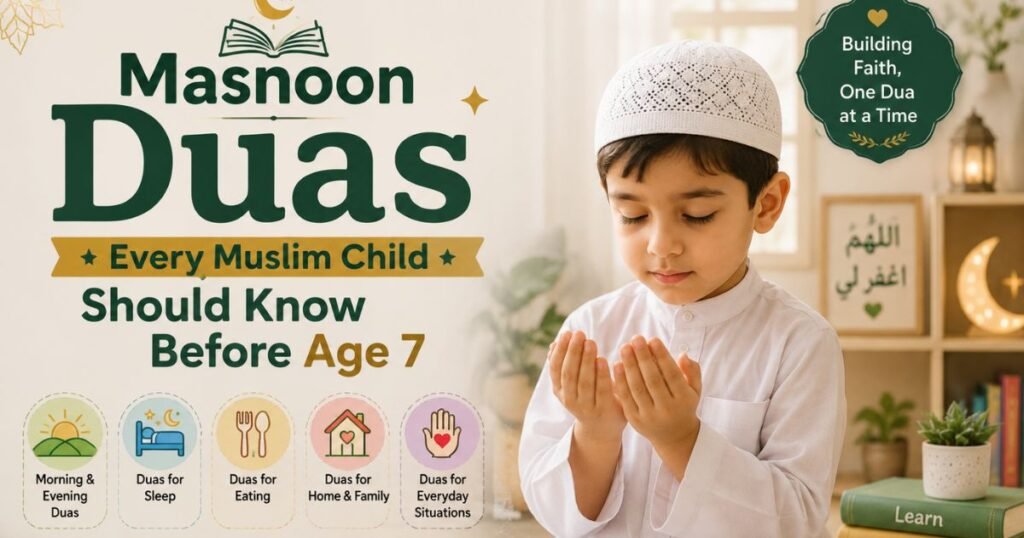
Islam teaches that the evil eye is real, and believers should seek protection through authentic Quranic verses and Sunnah supplications instead of cultural practices or superstitions. As children grow, many parents also learn the authentic Nazar ki dua for kids and include it in their daily routine of adhkar to ask Allah for continuous protection, good health, and blessings.
Teaching Islamic Values from an Early Age
Even before children fully understand words, parents can nurture an Islamic environment by reciting the Quran, making daily dua, displaying good manners, and encouraging kindness. These early experiences help establish a lifelong connection with faith.
Conclusion
The Sunnah offers beautiful guidance for welcoming and raising children with faith, gratitude, and love. From reciting the Adhan and performing Tahneek to making sincere duas and teaching Islamic values, these practices lay a strong spiritual foundation. By following authentic Islamic teachings and consistently seeking Allah’s protection, parents can help their children grow with strong faith and noble character.